-(8).png?v=1789560765645&options=)
.jpg?v=1730475895062&options=)



.jpg?v=1726067125914)

.jpg?v=1758208711116)


.jpg?v=1789399747882)
![A set of colorful wooden animal puzzle boards shown on a white background, including a blue elephant, a yellow duck with a gold fish, and a green frog in a blue pond. Loose matching puzzle pieces are scattered around. [fill]](http://www.jaqueslondon.co.uk/cdn/shop/files/89442-Shopify.png?v=1789399633&width=500)


![Wooden educational clock with colourful numbers and shapes, accompanied by matching flashcards on a green background. [fill]](http://www.jaqueslondon.co.uk/cdn/shop/files/89131-ShapeSortingClock-Shopify_1-white.jpg?v=1790239485&width=500)
.jpg?v=1754664111281)

![Colorful wooden hammering toy with various cylindrical pegs and a red hammer on a transparent background [fill]](http://www.jaqueslondon.co.uk/cdn/shop/files/90223LetsPlayHammeringBenchShopifyListing_1.png?v=1767960353&width=500)


.jpg?v=1728377042707)


.jpg?v=1771345081864)
![[fill] Hook a Duck Fishing game](http://www.jaqueslondon.co.uk/cdn/shop/files/Hook-a-Duck-open-box-with-rods-showing-game-in-play_99013.png?v=1763048850&width=500)


.jpg?v=1770382098520)
![Wooden puzzle with rabbit figures and clothing pieces in a box [fill]](http://www.jaqueslondon.co.uk/cdn/shop/files/90252-Shopify_1000x1000px.png?v=1770378614&width=500)


![Fishing game set with colourful frogs and rods [fill]](http://www.jaqueslondon.co.uk/cdn/shop/files/CatchingFrogs-99014-Shopify_f81b7cc2-5530-485e-a278-3ffec3051920.png?v=1755261206&width=500)





![Wooden rainbow shape puzzles [fill]](http://www.jaqueslondon.co.uk/cdn/shop/files/89440-ShopifyImageDeck-RainbowPuzzles_1-white.jpg?v=1790239555&width=500)



.jpg?v=1779462118779)

Montessori toys: how to choose
When choosing Montessori toys, look for pieces that invite hands-on exploration rather than passive play. Children learn through self-guided experimentation, so shape sorters, stacking toys and puzzles that reward tactile trial and error are ideal. This collection covers fine motor skills, hand-eye coordination, sorting and shape recognition, which are exactly the skills young children are busy developing through repeated, independent practice.
When buying, check the suggested age tag on each toy, as needs change quickly between one and seven years old. Look at materials too. Many pieces here are FSC approved wood or plastic free, which suits parents wanting natural, durable toys that withstand repeated handling. Most items in this collection are priced under £25, making it easy to build a varied set of learning toys without overspending.
Jaques of London has made games and toys since 1795, and remains a family owned British company. Customer service is UK based, and returns are easy until 31 January 2027. Delivery cost is calculated at checkout, so you can see the total before you buy.
Whether you are furnishing a playroom or choosing a single gift, this range offers a wide spread of Montessori toys designed around real developmental stages rather than passing trends.
Written by Jaques of London, toy and games makers since 1795. Updated September 2026.
Why buy montessori toys from Jaques
| Other Retailers | ||
|---|---|---|
| Sorting and shape play | Designed with clear shape recognition and sorting benefits in mind | Often just a coloured shape with no real sorting challenge |
| Materials | 51 toys in FSC approved wood | Ask what the wood or plastic is |
| Age guidance | Every toy carries a suggested age tag | Often no clear age guidance |
| Reviews | 10,144 verified reviews, 4.8 average | Ask if independent reviews exist |
| Maker | Family owned British maker since 1795 | Ask how long they have been trading |
| Returns | Easy returns until 31 January 2027 | Ask what the returns window is |
Montessori toys: your questions answered
What are the best montessori toys for boys?
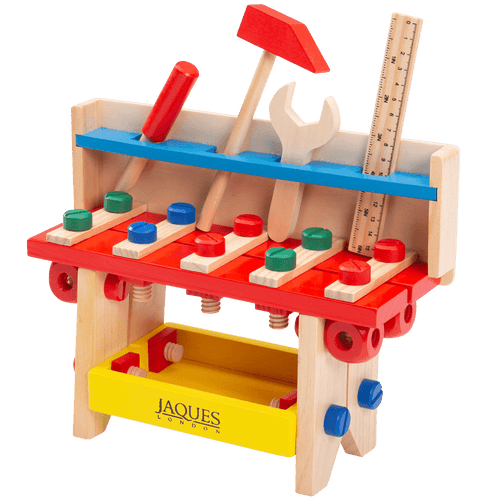
Many toys in this collection suit any child, but firm favourites include the Wooden Tool Bench and Wooden Car Transporter. Bus Toy and Riley the Recycle Truck also work well, as they build fine motor skills and imaginative play through open ended, hands on activity.
What are the best montessori toys for girls?
Popular picks include the Children's Tea Set, Prep & Play Kids Kitchen Set and Pretend Play Food Set, all encouraging imaginative and pretend play. The Dazzle The Unicorn Pull Along Toy is another favourite, combining movement with early motor skill development.
What are good montessori toys to give as a gift or present?
The Montessori Learning Collection makes a thoughtful gift, as does the Wooden Puzzle Game or Threading Beads. These toys support fine motor skills and hand eye coordination, so they suit birthdays, christenings or any occasion where a lasting, purposeful gift is wanted.
What are the best montessori toys to buy?
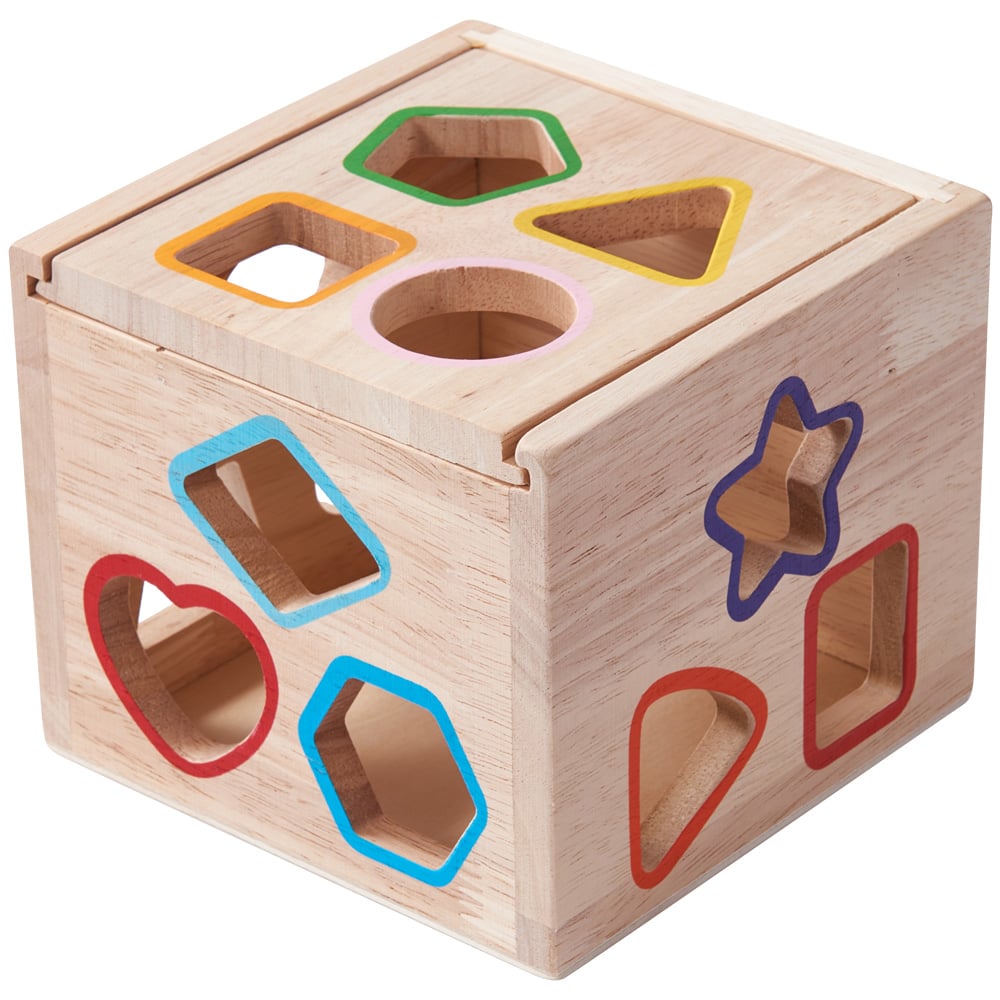
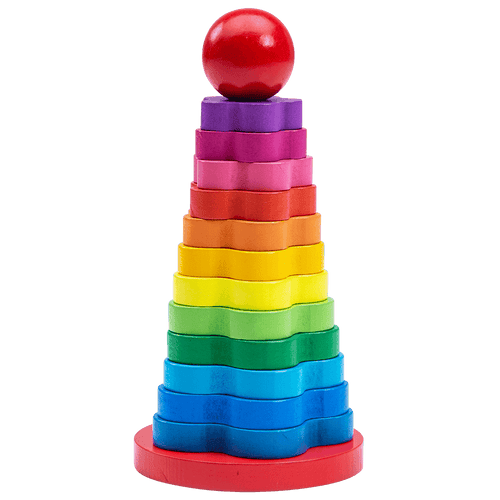
Bestselling choices in this collection include the Shape Sorter, Stacking Rings Toy and Wooden Hammer Bench. Each is built around a single clear skill, such as sorting, stacking or hand eye coordination, which is a hallmark of good Montessori style play.
What are the best wooden montessori toys?
Look to the Wooden Activity Cube, Wooden Alphabet Set and Wooden Gear Puzzle. Many wooden pieces in this collection use FSC approved wood, giving parents a natural, durable option that still delivers strong sorting and fine motor benefits.
What montessori toys are useful and interactive rather than just decorative?
Interactive options include the Magnetic Fishing Game, Maze Game for Kids and Fishing Game. These encourage hands-on problem solving rather than passive play, building coordination and concentration through repeated, self directed practice.
What montessori toys suit a 1 year old?
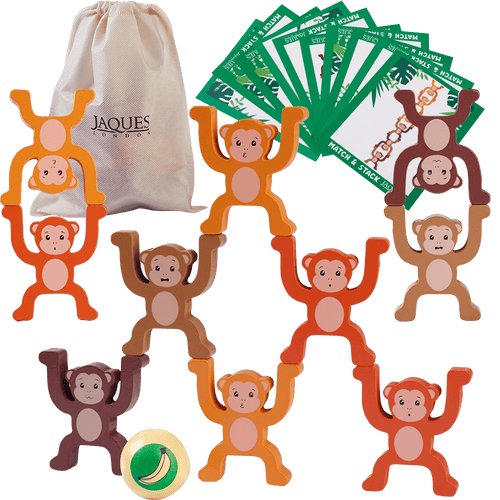
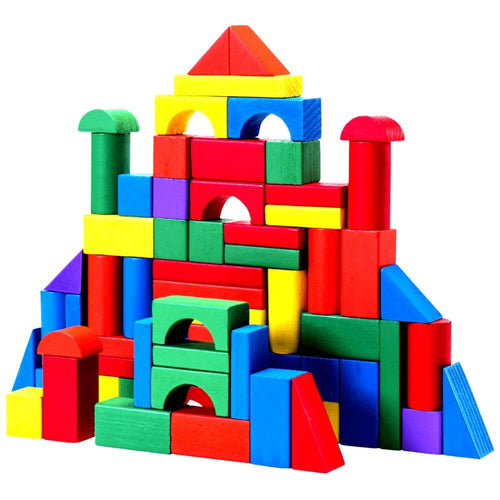
For a 1 year old, gentle first toys such as the Baby Puzzle, Stacking Monkeys and Wooden Baby Blocks work well. They are designed for early fine motor and hand eye coordination skills, with simple actions like stacking, posting and gripping.
Are montessori toys good for learning through play?
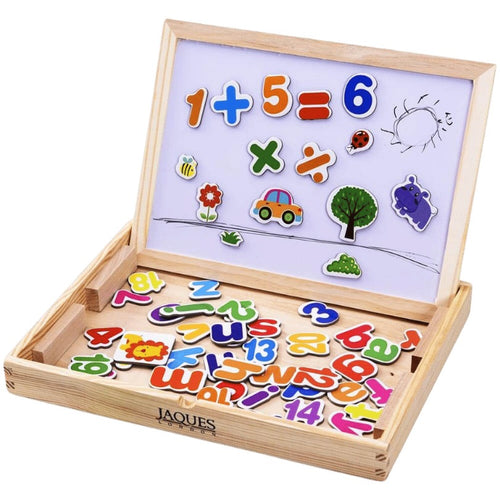
Yes. This collection is built around learning through play, covering benefits such as fine motor skills, sorting and shape recognition. Toys like the Shape Matching Board, Learn to count and Alphabet Abacus turn everyday skills into hands on discovery.
Easy returns · Making toys and games since 1795 · Secure checkout