.jpg?v=1730475895062&options=)






![Wooden rainbow shape puzzles [fill]](http://www.jaqueslondon.co.uk/cdn/shop/files/89440-ShopifyImageDeck-RainbowPuzzles_1-white.jpg?v=1790239555&width=500)
![4 dinosaur puzzles [fill]](http://www.jaqueslondon.co.uk/cdn/shop/files/90215-4dinopuzzles.png?v=1767891498&width=500)


.jpg?v=1789399747882)
![A set of colorful wooden animal puzzle boards shown on a white background, including a blue elephant, a yellow duck with a gold fish, and a green frog in a blue pond. Loose matching puzzle pieces are scattered around. [fill]](http://www.jaqueslondon.co.uk/cdn/shop/files/89442-Shopify.png?v=1789399633&width=500)




.jpg?v=1763112707447)
![Colourful caterpillar-shaped numbers from 1 to 10 on a green background [fill]](http://www.jaqueslondon.co.uk/cdn/shop/files/90231-caterpillarpuzzle-shopify_1.png?v=1763112646&width=500)

.jpg?v=1773071996360)
-(3).jpg?v=1754901659695)


![Set of wooden farm animal toys on a green background [fill]](http://www.jaqueslondon.co.uk/cdn/shop/files/89840-woodenanimals-shopify_1.png?v=1765381064&width=500)


Jaques of London are excited to have pieced together a spectacular jigsaw puzzle collection for problem solvers of all ages. Whether taking the first steps towards puzzling perfection, or sorting between thousands of neatly cut jigs, there is no better way to bring fun and brain-training prowess together, for a complete puzzle of learning and play.
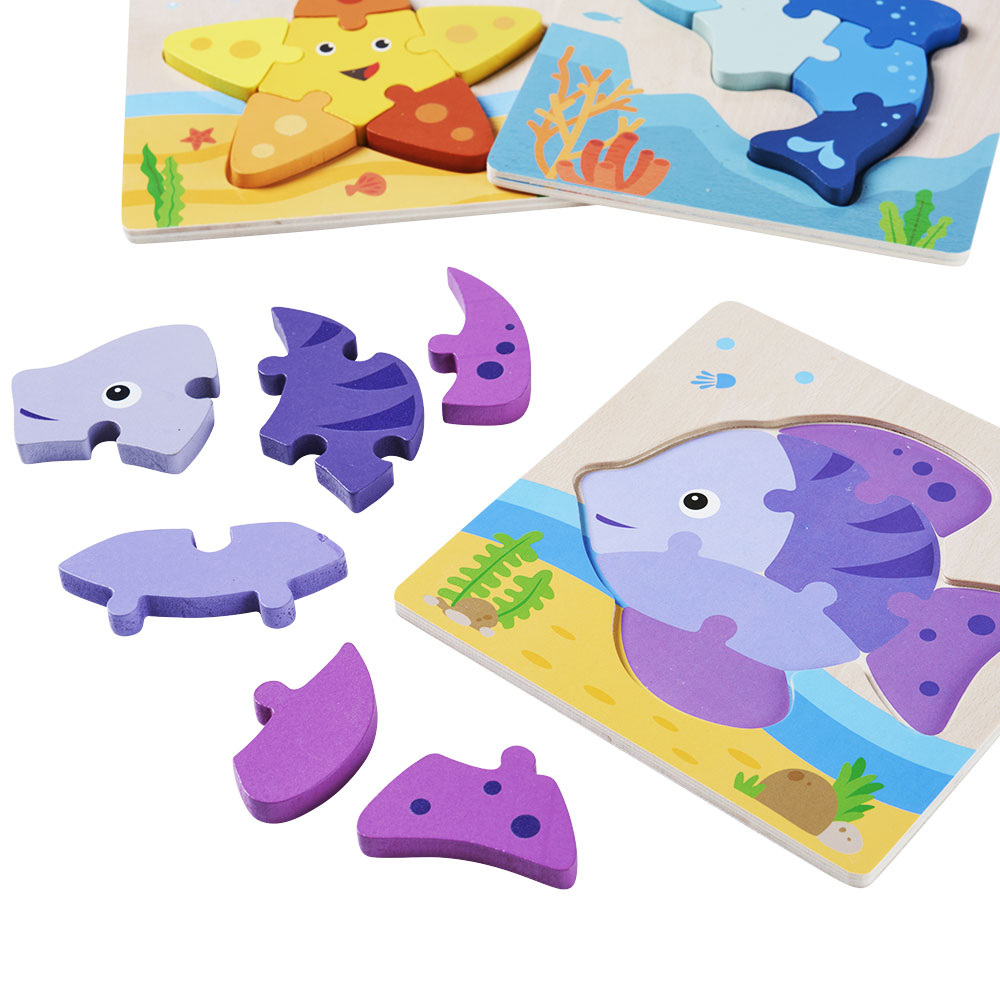
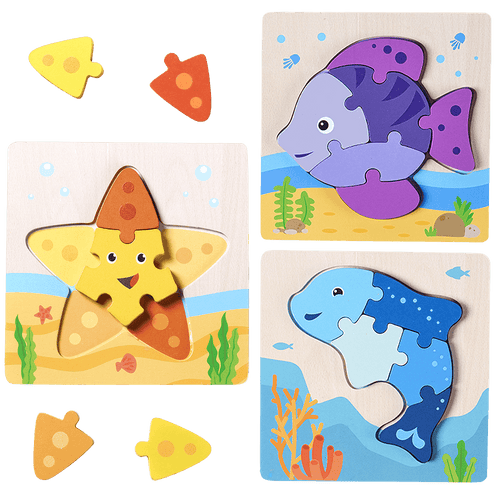
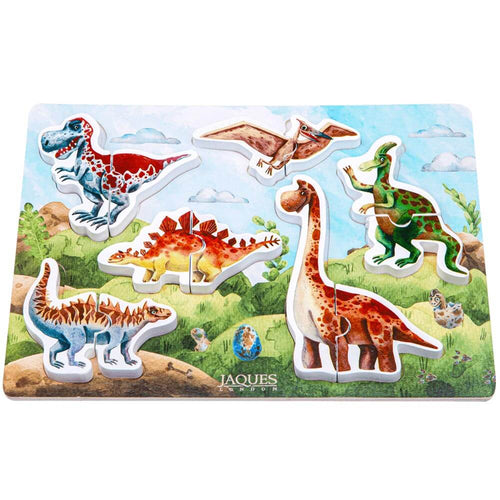
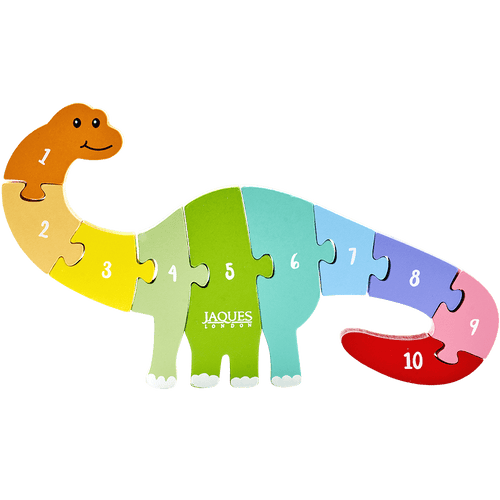
Beginning with superb starter puzzles for kids, we ensure that even toddlers can get involved. With bright, sensory and tactile jigsaw pieces designed to inspire, your pint-sized puzzlers will revel in bringing life to dinosaurs, fish and space, as they take their newfound skills to the furthest reaches of the planet.
More experienced puzzle players will be able to challenge themselves with our larger puzzle sets, which go up to 1000 pieces, with proven benefits to memory, problem solving and collaborative play, all making puzzles the perfect brain building exercise.
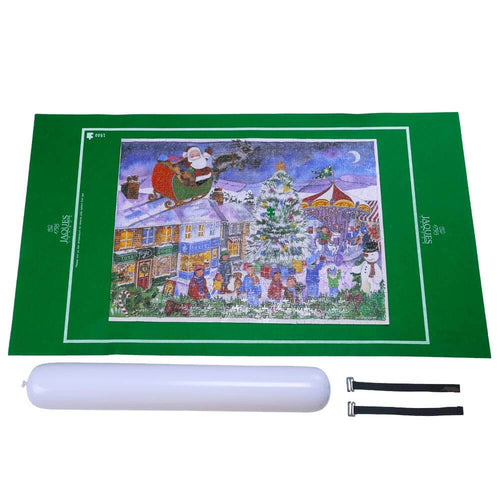
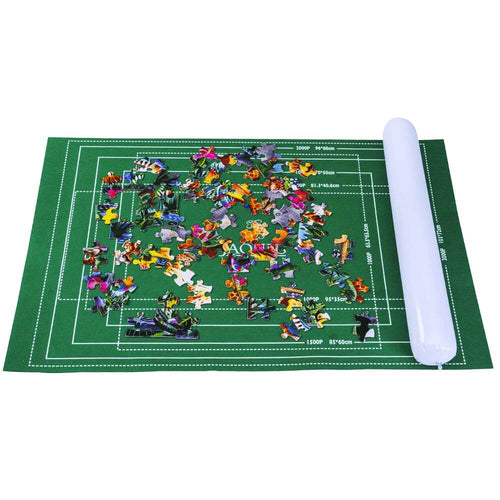
Better still, why not take a look at our collection of puzzle mats and boards, for the perfect way to keep your pieces in order and take the world of puzzling on the road. With Jaques of London, there is simply no puzzle not worth solving.
Jigsaw Puzzles: your questions answered
What age is a jigsaw puzzle suitable for?
Wooden puzzles with large, chunky pieces suit children from around 18 months upwards. As dexterity and patience develop, piece counts can rise: 12 to 20 pieces works well for ages 3 to 5, 50 to 100 pieces for ages 6 to 9, and 200 pieces or more for older children and adults. Always check the recommended age on the specific puzzle before buying.
Why choose a wooden jigsaw puzzle over a cardboard one?
Wooden puzzles are thicker, smoother to handle and far more durable. Cardboard puzzles bend, delaminate and lose pieces that become too tatty to use. A well-made wooden puzzle keeps its shape and finish after hundreds of completions, which makes it genuinely worth storing and returning to rather than discarding after a season.
How do I care for a wooden jigsaw puzzle?
Keep pieces in their box or a cotton bag away from damp and direct sunlight. If a piece gets grubby, wipe it with a barely damp cloth and dry it immediately. Avoid soaking or dishwashing. Stored sensibly, a quality wooden puzzle needs no special maintenance and will stay in excellent condition for many years.
How do I choose the right jigsaw puzzle as a gift?
Consider the recipient's age, concentration span and interests. A striking image or a subject the person loves, whether animals, maps or classic art, helps sustain motivation to finish. For children, pick a piece count slightly below their current comfort zone so the puzzle feels rewarding rather than frustrating. A wooden puzzle in a quality box also presents beautifully without extra wrapping.
Are Jaques jigsaw puzzles suitable as heirloom or keepsake gifts?
Yes. Jaques has been making games and toys since 1795, and wooden puzzles from the range are designed to last long enough to pass between siblings and even generations. The solid wood construction, quality print and robust storage box mean a Jaques puzzle is a considered, lasting gift rather than a single-use present.
What piece counts do Jaques wooden jigsaw puzzles come in?
The range spans from simple large-piece puzzles for toddlers through to multi-hundred-piece puzzles suited to older children and adults. The exact selection is shown on the collection page. Choosing a piece count that matches the solver's experience keeps the activity enjoyable and means the puzzle gets used repeatedly rather than abandoned half-finished.
Can jigsaw puzzles genuinely help child development?
Yes, in practical ways. Completing a puzzle exercises fine motor skills, spatial reasoning and the ability to work methodically toward a goal. Children also learn to manage mild frustration when a piece does not fit where expected. These are real, observable benefits built into ordinary play, with no need for screens or batteries.
Jaques of London · Britain's oldest games and toy maker · Est. 1795