The Mum Who Does It All (And Hasn't Slept Properly in Years)

You are doing an extraordinary job. Here's some practical help for the bits nobody talks about.
There's a version of motherhood that gets talked about constantly. The one with the patient voice, the Pinterest activities, the toddler who eats vegetables and the baby who naps on schedule.
And then there's the real version.
The one where you're running on broken sleep, replying to messages while breastfeeding, trying to remember if you've eaten today, and simultaneously feeling guilty that you haven't done enough this week.
This one's for that version.
You Are Doing More Than You Think
The mental load of motherhood is genuinely staggering. Not just the physical care, the feeds, the nappy changes, the school runs. The invisible labour of remembering everything, planning everything, worrying about everything simultaneously.
The mother who feels like she's not doing enough is almost always the one doing the most.
So before anything else: you are doing enough. The fact that you're reading a parenting blog at whatever hour this is probably confirms it.
The Screen Time Guilt Is Normal. Here's What Actually Helps.
Screen time guilt is one of the most common things mothers talk about. The tablet gets handed over in a moment of desperation and then the spiral starts. Am I damaging them? Am I being lazy?
Here's the honest answer: one session doesn't harm a child's development. What research does consistently show is that the quality of non-screen play matters more than the quantity of screen time. Which is a much more manageable thing to focus on.
If your toddler has 20 minutes a day of genuinely absorbed, independent play, that's doing real developmental work. You don't need a craft activity. You don't need a schedule. You need the right toys.
The ones that sustain independent play without needing you in the room are open-ended, self-correcting toys with no batteries and no single right answer. Our Stacking Monkeys from 10 months are exactly that kind of toy, the child stacks, topples, restacks, and the play generates itself.

Three Practical Things That Actually Make a Difference
Toy rotation. Having fifty toys available doesn't mean fifty times the play. It means overwhelm and a child who can't settle on anything. Put most of them away. Keep six to eight out. Rotate every two to three weeks. The toys that come back out feel brand new, and the independent play sessions get longer.
You don't have to play with them constantly. Your presence in the room is enough. You don't need to be on the floor directing the play. Sit nearby, have a coffee, be available. Children this age need proximity, not constant entertainment. That's not a failure of engagement. It's developmentally correct.
The transition moments are where the friction lives. Getting out of the house, moving from one activity to another, bedtime. A small consistent ritual for each, the same song, the same toy, the same sequence, reduces the friction more than any amount of reasoning.
On Having a Life Outside Motherhood
You are allowed to want things for yourself.
A career. A social life. Interests that have nothing to do with your children. Wanting these things doesn't make you a worse mother. The research on maternal wellbeing is unambiguous: a mother who has her own sense of identity is better placed to be present for her children, not worse.
The goal isn't to be endlessly available. It's to be well enough, rested enough, and yourself enough that when you are present, you genuinely are.
The One Practical Investment Worth Making
If there's one thing worth spending money on in the thick of early years, it's toys that build in your child the capacity to play independently. Not toys that entertain them for you. Toys that develop self-directed play.
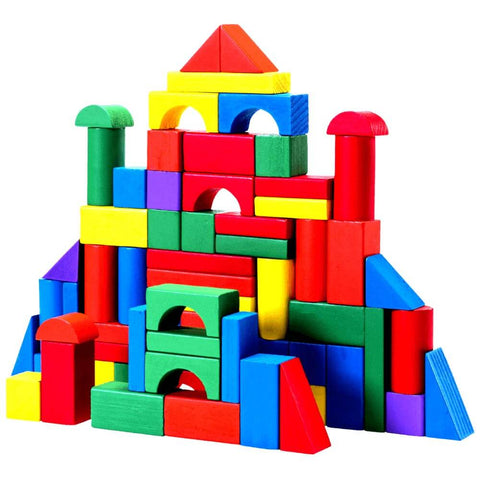
Our Friendly Farm from 12 months, Kids Building Blocks from 12 months, and Activity Cube from 12 months are all open-ended enough that a child can play alone for a meaningful stretch without needing you to direct or reset. That's not laziness. That's developmental good sense.

Frequently Asked Questions
Is it normal to feel overwhelmed as a new mum? Completely and universally. The combination of sleep deprivation, identity shift, physical recovery, and enormous responsibility is one of the most challenging things a person can experience. Feeling overwhelmed is not a sign you're failing. It's a reasonable response to an unreasonable workload.
How do I get my toddler to play independently so I can have a break? Start with self-correcting toys that don't need adult input, where the child gets their own feedback without needing you to validate or reset. Keep fewer toys available at once. Stay nearby but don't direct the play. The capacity for independent play builds gradually with the right environment.
How do I manage the mum guilt? The most useful reframe: guilt is your values showing up. The fact that you feel it means you care. But guilt is only useful if it points to something actionable. If it's pointing to "do more craft activities" while you're already running on empty, that's not useful guilt. That's just noise. You can put it down.
Where can mums find support when they're struggling? Your GP or health visitor can refer you to local support. Home-Start UK offers free home visiting support. The NCT runs local groups in most areas. Online communities on Mumsnet and dedicated Facebook groups for parents are genuinely valuable when you need to hear that other people are in the same boat.
Jaques of London. We've been helping families since 1795. We know it's always been hard.