.jpg?v=1730475895062&options=)




![[fill] Double six dominoes in wooden box](http://www.jaqueslondon.co.uk/cdn/shop/products/Double-Six-Dominoes---56123.jpg?v=1668597011&width=500)



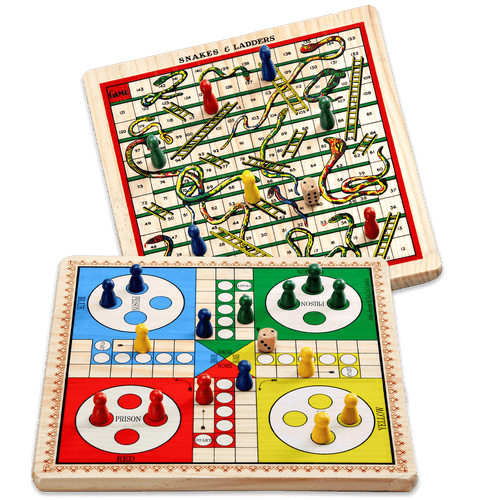




![snakes and ladders with ludo [fill]](http://www.jaqueslondon.co.uk/cdn/shop/files/SnakesAndLaddersWithLudo-Main-99010_c86353bc-f26f-4b40-ba12-07975793f9d5.png?v=1767890414&width=500)


![Reversible image shows each side of board, Chinese checkers and then go bang [lifestyle]](http://www.jaqueslondon.co.uk/cdn/shop/products/ChineseCheckers_GoBang-2in1-80555.jpg?v=1715781249&width=500)



.jpg?v=1726067053274)


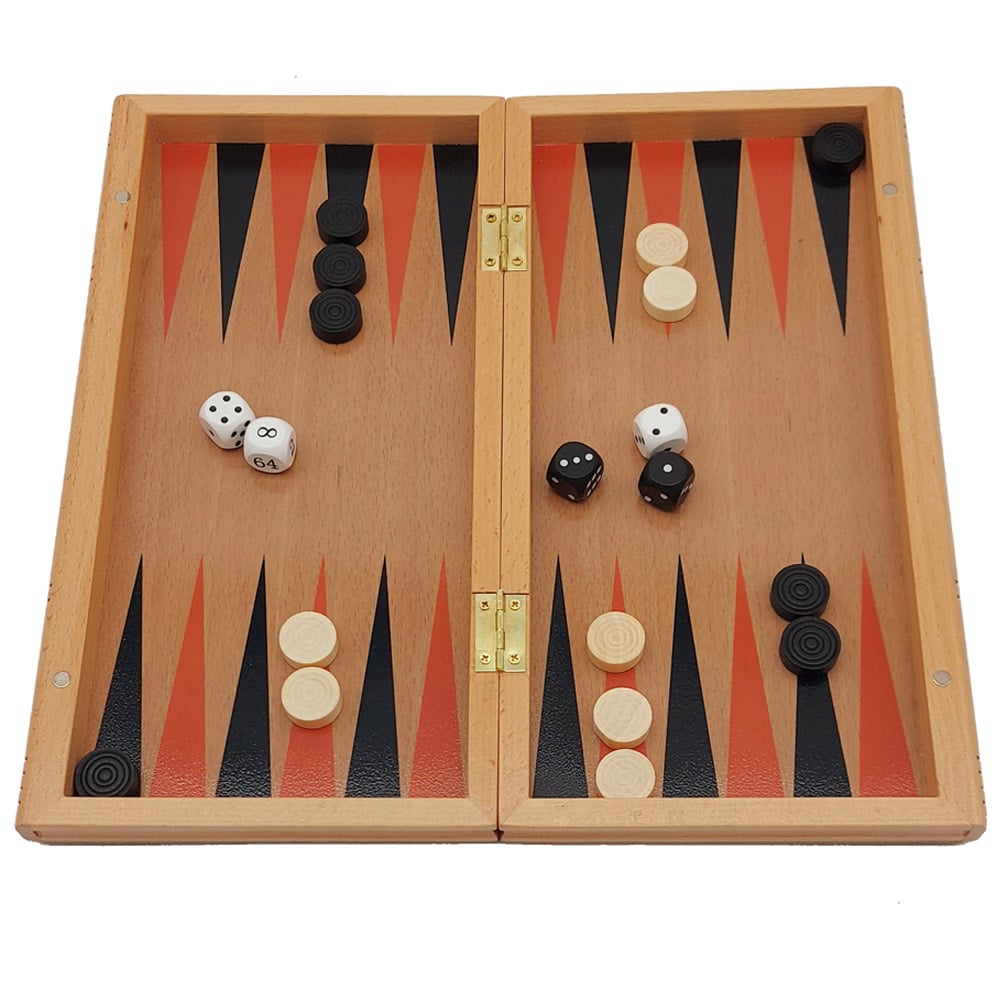
![Backgammon set with pieces and dice on a white background [fill]](http://www.jaqueslondon.co.uk/cdn/shop/files/Backgammon-shopify-53555_1.png?v=1771321017&width=500)


![Roll-up travel chess set with leather board and wooden storage case including 34 chess pieces. [fill]](http://www.jaqueslondon.co.uk/cdn/shop/files/53558-Shopify_1.png?v=1784730050&width=500)
.jpg?v=1770900294587)


![[fill]](http://www.jaqueslondon.co.uk/cdn/shop/files/10753-WoodenFamilyGamesBundle_1.png?v=1773939755&width=500)

![[fill]](http://www.jaqueslondon.co.uk/cdn/shop/files/10755-ChessandDraughts-shopify_1.png?v=1773939952&width=500)
.jpg?v=1770900570687)

Board Games: your questions answered
How do I choose the right board game for a child's age?
Look at the minimum player age on the box and take it seriously. Games for under-fives work best with simple matching or memory mechanics and no reading required. From age six, children handle light strategy well. From nine or ten, proper strategy games with rules that reward repeated play become genuinely enjoyable rather than frustrating.
Why choose a wooden board game over a plastic one?
Wood is heavier, more satisfying to handle, and does not crack or warp the way thin plastic does after a few years. Wooden pieces feel deliberate when you place them on the board. They also look far better on a shelf, which matters when a game is going to live in your living room for years rather than weeks.
How many players do most board games need, and can you play with two?
Most classic board games work best with three or four players, but a good number play well with two. Jaques games such as Chess and Draughts are specifically designed for two. Always check the player range before buying as a household gift, particularly if you are shopping for a couple or a single-child family.
How do I care for a wooden board game to keep it in good condition?
Keep wooden games away from prolonged direct sunlight, which can fade boards and dry out natural finishes. Wipe pieces with a dry or very slightly damp cloth rather than soaking them. Store the game flat if possible to stop warped lids. Treat the wood occasionally with a light beeswax or furniture wax if the surface looks dry.
Are Jaques board games good as gifts, and what age range do they suit?
They make particularly good gifts because the wooden construction and traditional presentation look generous without being flashy. Jaques games span roughly age four through adult. For a gift you are less certain about, classic games such as Snakes and Ladders or Ludo suit mixed-age family groups, while Chess or Backgammon sets suit adults and teens equally well.
What makes a board game genuinely last as a family heirloom?
Three things: solid materials that do not break under regular use, rules simple enough to be relearned after a gap of years, and a game that different ages can enjoy together. Cheap cardboard warps, thin plastic tokens snap, and overly complex rulebooks put people off returning to a game. Solid wood and classic game mechanics are what survive a generation of family use.
Is it worth spending more on a quality board game rather than a budget version?
If you buy a game that gets played regularly, the cost per use of a well-made version is almost always lower than replacing a cheaper one. A solid wooden set also holds its condition well enough to give away or pass on. The honest answer is that for a game you genuinely expect to use, the better version is the more economical one over time.
Jaques of London · Britain's oldest games and toy maker · Est. 1795